
Landscapers Norwich
Garden paths and steps in Norwich
Landscapers Norwich lays garden paths and steps across Norwich and Norfolk, linking the house, the patio and the garden with surfaces and steps that are comfortable and safe to walk.
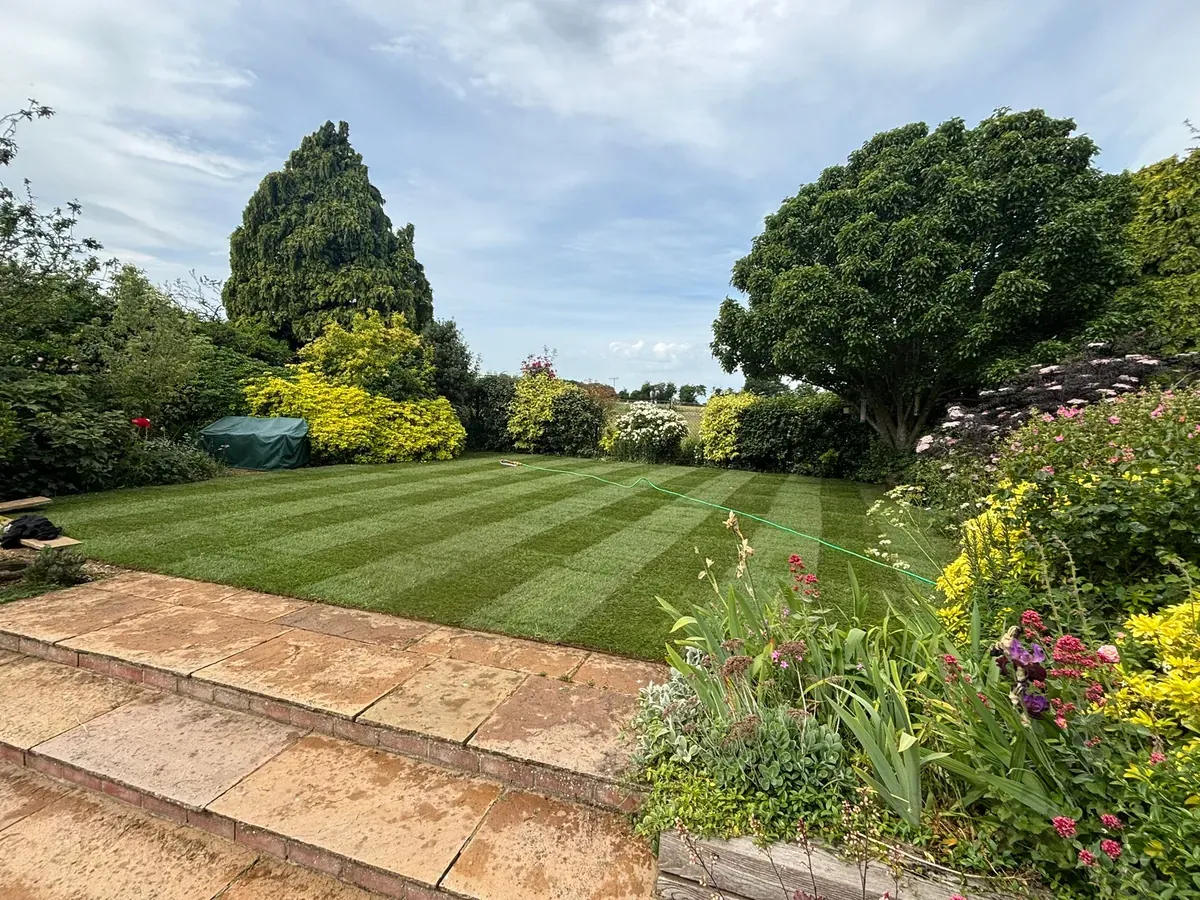
Paths and steps that make a garden work
A good path goes where people actually walk. The route from the back door to the shed, the bins or the washing line gets used every day in every weather, and a muddy track worn into the lawn is usually a sign that a path is missing. Landscapers Norwich lays garden paths in Indian sandstone, porcelain, block paving and gravel, matched to the patio where there is one, and finished with edging so lawn and beds stay neat on either side.
Where a garden changes level, steps make the difference between a slope you avoid and a space you use. Comfortable garden steps have every riser the same height and every tread deep enough for a whole foot, because an uneven step is the one people trip on. We set steps out from the actual levels on site, build them on a solid footing and finish the treads and risers in materials that suit the rest of the garden.
Paths and steps suit long or sloping gardens, new-build gardens that came with only a slab or two outside the door, and anyone adding a patio who wants a route out to the lawn. Edging is often part of the same job: a crisp line between lawn, path and border saves hours of trimming.
What is included with paths and steps
The quote shows the full scope, from set-out to the final clean.
- Route and level set-outThe line of the path and the height of each step marked out on site and agreed with you.
- ExcavationDug to the right depth for a path base, with step footings where levels change.
- Compacted baseA crushed stone base compacted so the path stays flat and does not dip where people walk most.
- Laying the surfaceSandstone, porcelain, block paving or gravel laid with a slight cross-fall so it does not hold puddles.
- Step buildingRisers built to a consistent height and treads laid with a small overhang and a fall for rain.
- EdgingLawn edging, brick or block edges, or a stone kerb to hold gravel and keep borders tidy.
- Tidy finishJoints pointed or filled, offcuts removed and the area cleaned before we go.
Before you book
What to think about first
-
Where people really walk
Watch the routes your household takes, including to the bins and the gate. A path that follows them gets used; one that does not ends up with a worn shortcut beside it.
-
Width
A path for one person can be narrow, but wheeling a mower, a barrow or bins needs more room. Allow extra width wherever two people might pass.
-
Lighting and evenings
Paths and steps used after dark are safer with low-level lighting. Cabling is best planned before the surface goes down, with an electrician doing the connection.
-
Materials that match
Using the patio stone for the path ties the garden together. Gravel with a stepping-stone line or a block edge is a softer, cheaper alternative.
Good to know
Good to know about paths and steps
- Steps need consistent risers
- The most important thing about any flight of steps is that every riser is the same height. Even a small difference catches people out.
- Grip in the shade
- Paths under trees or along a north-facing wall stay damp and can grow algae. A textured or riven finish and an occasional clean keeps them safer.
- Gravel paths move
- Gravel is comfortable and drains well, but it needs a firm edge on both sides and a top-up now and then to stay even.
- Handrails on longer flights
- A handrail makes a long or steep flight of garden steps far easier to use, especially for older visitors. It is worth planning one in from the start.
How it works
How a paths and steps job runs
-
Walk the garden together
We look at the routes, the levels and the materials, and you get a free written quote.
-
Set out and dig
The path line and step positions are marked, then dug and the spoil removed.
-
Footings and base
Step footings are set and the path base laid and compacted.
-
Build, lay and edge
Steps are built, the path surface laid and the edging finished, then the area is cleaned and handed over.
What is the best material for a garden path?
It depends on use and look. Sandstone and porcelain match a patio, block paving is hard-wearing and repairable, and gravel is soft underfoot and drains well.
How wide should a garden path be?
Wide enough for how it is used. A side path for bins and barrows needs more room than a stepping route across the lawn, and we set the width with you on site.
Can you build steps into a sloping garden?
Yes. We set steps out from the real levels so every riser is the same height, with footings that suit the ground.
Can you add edging to an existing lawn and border?
Yes. Brick, block or stone edging can be added to give a clean line between lawn, path and border, and to make mowing easier.
Will a gravel path wash away?
Not if it has a firm edge and a compacted base. Angular gravel locks together better than rounded pebbles and stays put on a gentle slope.
Other hard landscaping we do
- PatiosIndian sandstone, porcelain and natural stone patios, laid on a full mortar bed with the right fall.
- Block pavingBlock paved paths, patios and parking areas, laid on a compacted sub-base inside proper edge restraints.
- DrivewaysBlock paving, gravel and natural stone driveways, dug out and built up to carry a car for years.
Want a path or steps that make sense?
Tell us where you want to walk and what is there now, and we will come and walk the garden with you for a free quote.